Corporate campus dining brands
Restaurant Licensing Group licenses federally registered food and beverage brands for corporate campus dining. A workplace café can run a brand as a permanent servery station or a rotating pop-up, working from its logo files, food photography, short core menu and style guide.
- Servery stations
- Rotating pop-ups
- Micro-markets and pantries
- Meeting and event catering
- Pre-order pickup and lockers
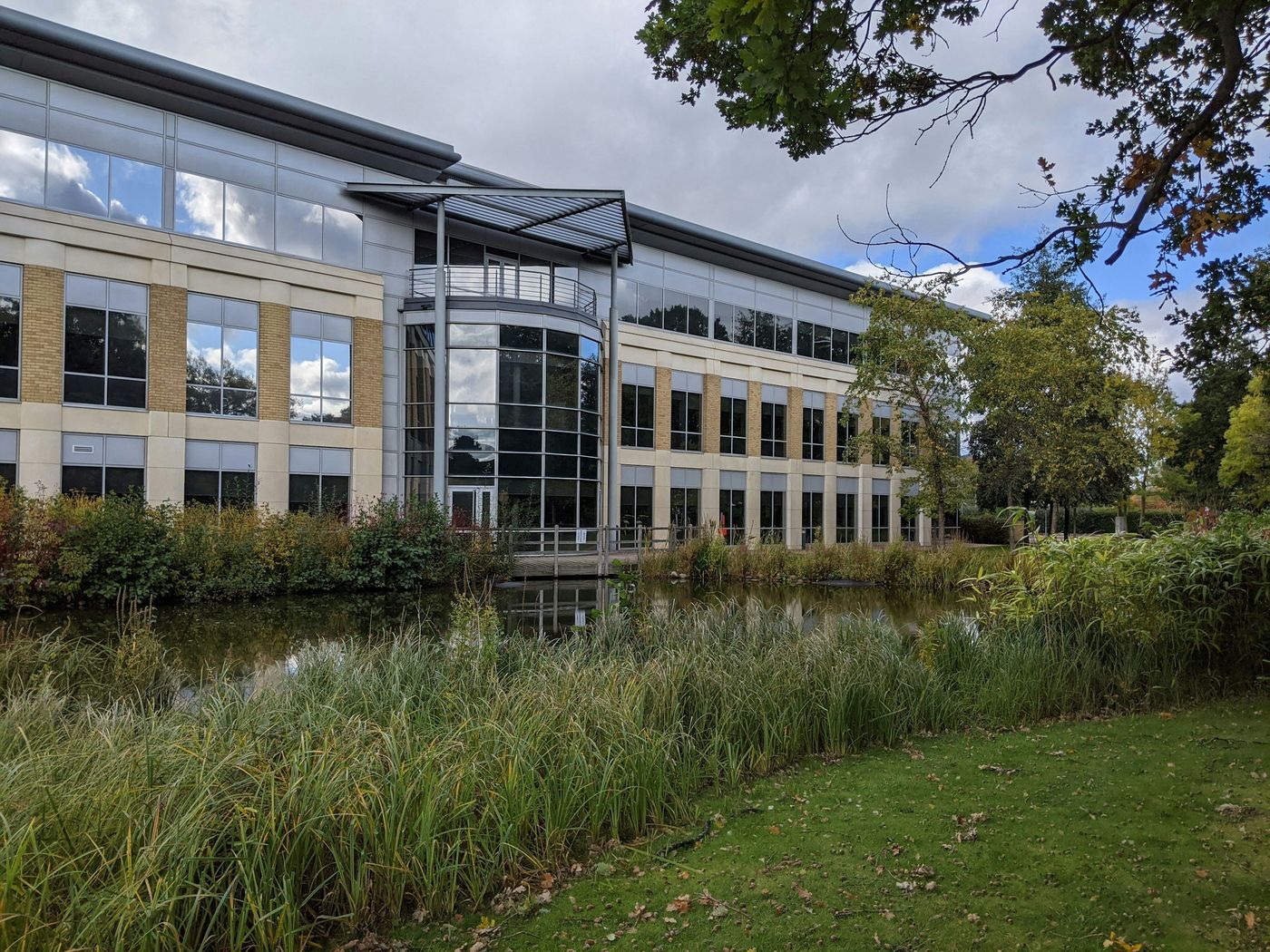
Workplace dining after hybrid work
Corporate dining used to be planned around a steady weekday headcount. On many campuses today, the number of people on site changes from day to day, depending on which days teams are asked to come in and on meeting schedules. Any brand added to the café has to fit that pattern, so it is worth planning how it would run on a full day and how it could be scaled back or paused on a light one.
Peak office days and quiet days
Many dining teams already estimate covers by weekday from their own point-of-sale and desk-booking records. Those estimates can decide which days a brand goes on the plan and which days it comes off, or whether it is offered as a small selection of pre-packed items instead of a staffed station. The license agreement defines where the brand may be used, not how many days a week the station opens.
Dayparts and weekday teams
Most corporate cafés keep a weekday, daytime schedule: coffee and breakfast as people arrive, a main lunch period, then lighter options through the afternoon. Campuses with labs, operations centers or shift work may also need an evening option. Staffing, training and opening hours for a licensed brand stay with the operator.
Rotating pop-up brands and permanent stations
An operator can give a licensed brand a permanent station in the servery, with fixed signage and a place on the everyday menu. Alternatively, brands can rotate through a guest station, where a brand appears for a week or a month and then makes way for the next. The difference is mostly practical: a permanent station suits built signage, while a rotating one relies on digital menu boards, freestanding signs and artwork that can be swapped at each changeover.
Pre-order and scheduled pickup
Many workplace cafés let employees order ahead through an app or kiosk for a set pickup window. The brand’s menu descriptions, logo and photography can go into the café’s existing ordering tool, within the image and text limits that tool sets. Setting up items, modifiers and pickup windows stays with your team or its technology provider, and the brand’s on-screen presentation follows the style guide.
Formats for corporate campus dining
A corporate campus can be a single office building with one café, or a spread of buildings with a main servery, satellite coffee bars and floor pantries. Licensed brands can be placed in several of these formats, provided each location is named in your license agreement.
Café stations and the servery
In a servery-style café, employees move between stations rather than queueing at one counter. A licensed brand can take over one station, with its own name above the counter and its core menu on the board, while the rest of the café keeps your house menu. Your culinary team works the brand’s items into its prep lists and applies its own food-safety and allergen procedures, and it sets portions, hours and pricing.
Micro-markets and pantries
Micro-markets and floor pantries give employees food outside café hours, usually through self-checkout kiosks and stocked coolers. A brand can extend into these spaces through packaged items your kitchen prepares, with the logo files applied to labels and shelf signage. Ingredient and allergen labeling for packaged food follows your own program and local rules, and stocking decisions stay with whoever runs the market.
Meeting and event catering
Corporate catering ranges from boxed lunches for a training session to buffets for a town hall or a visiting delegation. Where catering is covered by your license, the brand’s menu content and photography can appear in your catering menu, with the artwork applied by your team to labels and buffet signs.
Satellite buildings and pickup lockers
On larger campuses, not every building has a full kitchen. A brand’s items can be prepared in the main café and sent to satellite buildings as scheduled lunch drops, or placed in pickup lockers for employees who ordered ahead. Transport, holding temperatures and delivery routes sit within your food-safety program.
Working with facilities teams and B&I foodservice partners
Workplace dining belongs to the business and industry (B&I) segment of foodservice, and it is organized in a few different ways. Some employers run food service themselves through a workplace services or facilities team. Others contract a foodservice provider to run cafés, catering and pantries, sometimes alongside cleaning and other building services.
Who holds the license
It may make sense for the party that runs the kitchen and produces the menus and signage to sign. On a contracted campus that could be the foodservice provider, with the employer’s agreement; on a self-operated campus it could be the employer. We talk the arrangement through with everyone involved. Locations, term, territory and any exclusivity are set out in the license agreement.
An employer with a second campus or regional offices may want the same brand at each site, and contract foodservice providers may also run staff cafés and visitor dining in hospitals. Any additional site needs its own listing in a license agreement before the brand’s signage or menu items appear there.
Subsidized and free-meal programs
Many employers subsidize meals or provide them at no charge. That does not change how a brand is licensed: pricing, subsidy and any free-meal policy are agreed between the employer and its operator.
Procurement and workplace standards
Corporate procurement teams often have their own supplier onboarding steps, and facilities teams usually have rules for signage, displays and fit-out in shared spaces. Those rules still apply alongside the brand’s style guide, which governs only how the brand itself is shown. On request we can provide copies of the registration records, along with license documentation, to add to a supplier file or a proposal to the employer.
Planning a brand rotation calendar
Unlike an airport or a stadium, a corporate café serves largely the same people on most working days, so many workplace dining programs plan menu changes and station rotations well in advance.
Building the calendar
A rotation calendar sets out which brand runs at which station, on which days and for how long, alongside your house menus and seasonal specials. If licensed brands are part of the plan, list every station and building you expect to use when you contact us, so the license agreement can cover them. Each changeover is then your team’s work: ordering ingredients, briefing staff, updating menu boards and loading the menu into your ordering app.
Changing the brand at one station through the day, for example a breakfast concept in the morning and another at lunch, is a different arrangement, described on our page about running different brands at one counter by daypart.
Announcing a brand to employees
Employees usually hear about a pop-up through channels the employer or operator already uses: the dining app, lobby screens, an intranet page or a weekly menu email. The logo files, photography and menu descriptions can be used in those announcements, following the style guide. Their wording and timing are decided by your dining and internal communications teams.
What the license includes
Every brand license comes with the same core materials. Here is how each one applies to corporate campuses.
-
Federally registered trademarks
Every brand is registered with the U.S. Patent and Trademark Office. Each registration covers specific classes of services, such as restaurant services or food delivery. We share the record for any brand you are considering, for a supplier file.
-
Logo files and color references
Vector logo files and color references, including Pantone values, that your team can apply to servery signage, pop-up displays, grab-and-go labels and catering menus.
-
Core menu and food photography
A short core menu for each brand, with food photography you can use on servery menu boards, workplace ordering apps, micro-market screens and catering menus.
-
Brand style guide (PDF)
Defines how the logo, colors, typography, photography and brand voice appear on café stations, digital menu boards, pop-up signage and internal dining announcements.
-
Brand fact sheet (3 pages)
A three-page overview of the brand’s positioning, core menu and intended guest profile, for presenting the concept to a workplace services team or foodservice partner.
-
Direct licensing contact
One licensing contact who can answer questions and provide copies of the registration records for a supplier onboarding file or a proposal to the employer.
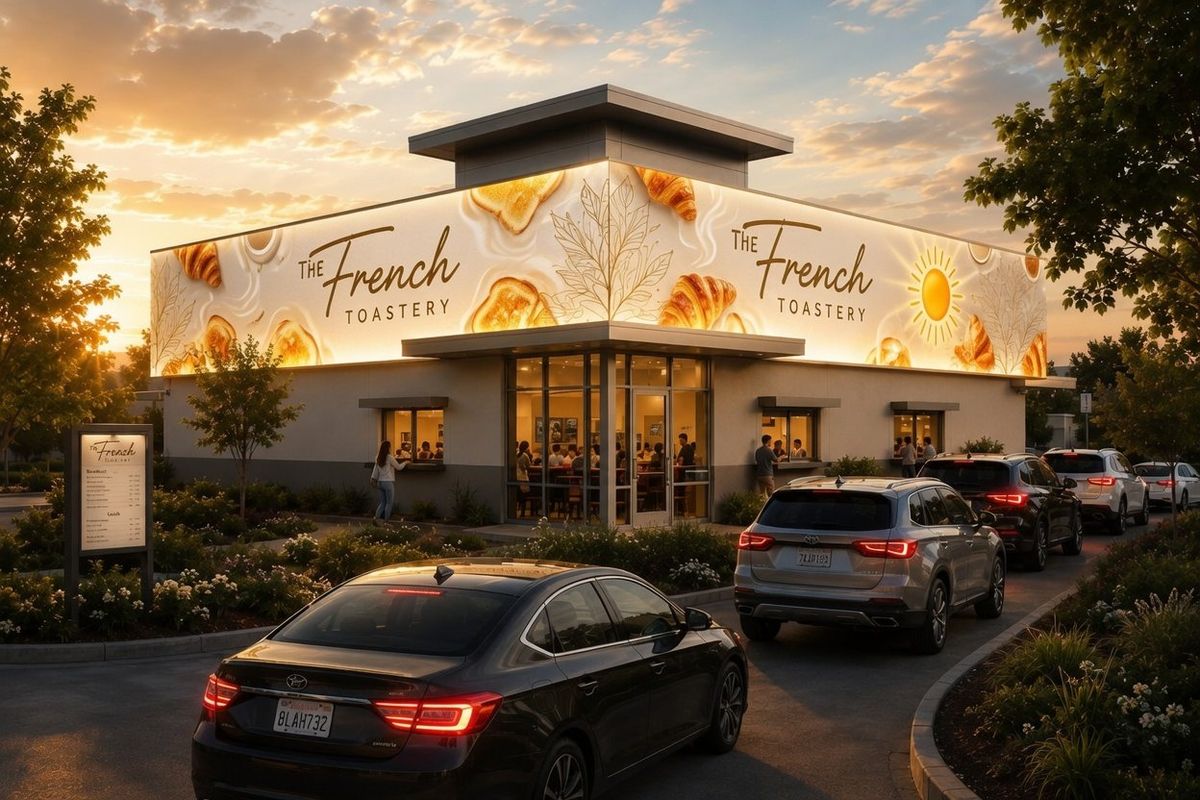
FlexFranchise™
Several brands, one location
FlexFranchise is a multi-concept licensing program: one foodservice location presents different licensed brands at different times of day, using digital signage and menu content that changes by daypart.
Image: concept rendering. Not an actual location.
How FlexFranchise worksHow licensing works
Four steps from first conversation to a brand on your menu board. Timing depends on your venue’s own approvals, signage and menu setup.
-
Tell us about your venue
Share your venue type, the formats you run and the kinds of food you are considering. We’ll suggest brands that fit your kitchen and service style.
-
Review brands and registrations
We share brand overviews, core menus and the USPTO registration record for each brand you are considering, so your team can evaluate them.
-
Sign a license agreement
A written license agreement sets out the brands, the locations covered, the term, and any territory or exclusivity.
-
Receive the brand kit
After signing, you receive logo files, color references, the style guide, core menu content and photography. Your team produces signage and menus from the kit.
Frequently asked questions
Who owns the brand names and logos?
Restaurant Licensing Group, LLC owns the trademarks and brand assets. Your license agreement grants the right to use them at the locations it covers. Territory and any exclusivity are set out in that agreement.
Do we need to build a new kitchen?
Not necessarily. The core menus are designed around equipment common in concession kitchens, such as fryers, griddles and flat-tops. Whether your space needs changes depends on your equipment, layout and local codes, so we review fit with you before you license a brand. If several brands share equipment, plan for allergen cross-contact within your own food-safety program.
Can we rotate brands through a pop-up station?
Yes, as long as the station is one of the locations your license agreement covers. The agreement names the brands and locations; which weeks a brand appears, and how often it returns, is up to your dining team.
Can our contract foodservice provider hold the license?
That is one option. If a contract foodservice provider runs your café and produces its menus and signage, it may make sense for the provider to sign. Some employers prefer to hold the license themselves. We talk through the arrangement with both parties, and the license agreement records who holds it and which locations it covers.
Does a licensed brand work in a subsidized dining program?
It can. Whether items are paid for by employees, partly subsidized or offered at no charge is agreed between the employer and its operator. The license covers use of the trademarks and brand materials; it does not set menu prices or subsidy levels.
Can a brand be used for meeting and event catering?
Yes, where catering is among the uses your license agreement covers. Your team can put the brand’s menu descriptions and photography into a catering menu or ordering portal, following the style guide. Portioning, packaging and delivery within your buildings stay with your catering team.
Can a brand support scheduled lunch delivery across campus?
The concepts can run as scheduled lunch drops from an on-site or nearby kitchen, using the pre-order and delivery systems you already operate. How many orders a kitchen can handle depends on its equipment, staffing and the layout of your campus. Packaging and labels can carry the logo files, while food holding and transport stay within your food-safety program.
Talk to us about corporate campus dining brands
Tell us about your venue and the formats you run. A member of our licensing team will follow up by email or phone to learn more and share registration details for the brands you are interested in.