Hospital and healthcare retail dining brands
Restaurant Licensing Group licenses federally registered food and beverage brands for hospital and healthcare retail dining. They are offered as hospital retail dining brands for the cafeterias, lobby cafés and grab-and-go outlets that staff, visitors and night-shift teams use, not for patient meals.
- Cafeteria stations
- Lobby cafés
- Overnight grab-and-go
- Micro-markets
- Medical office building cafés
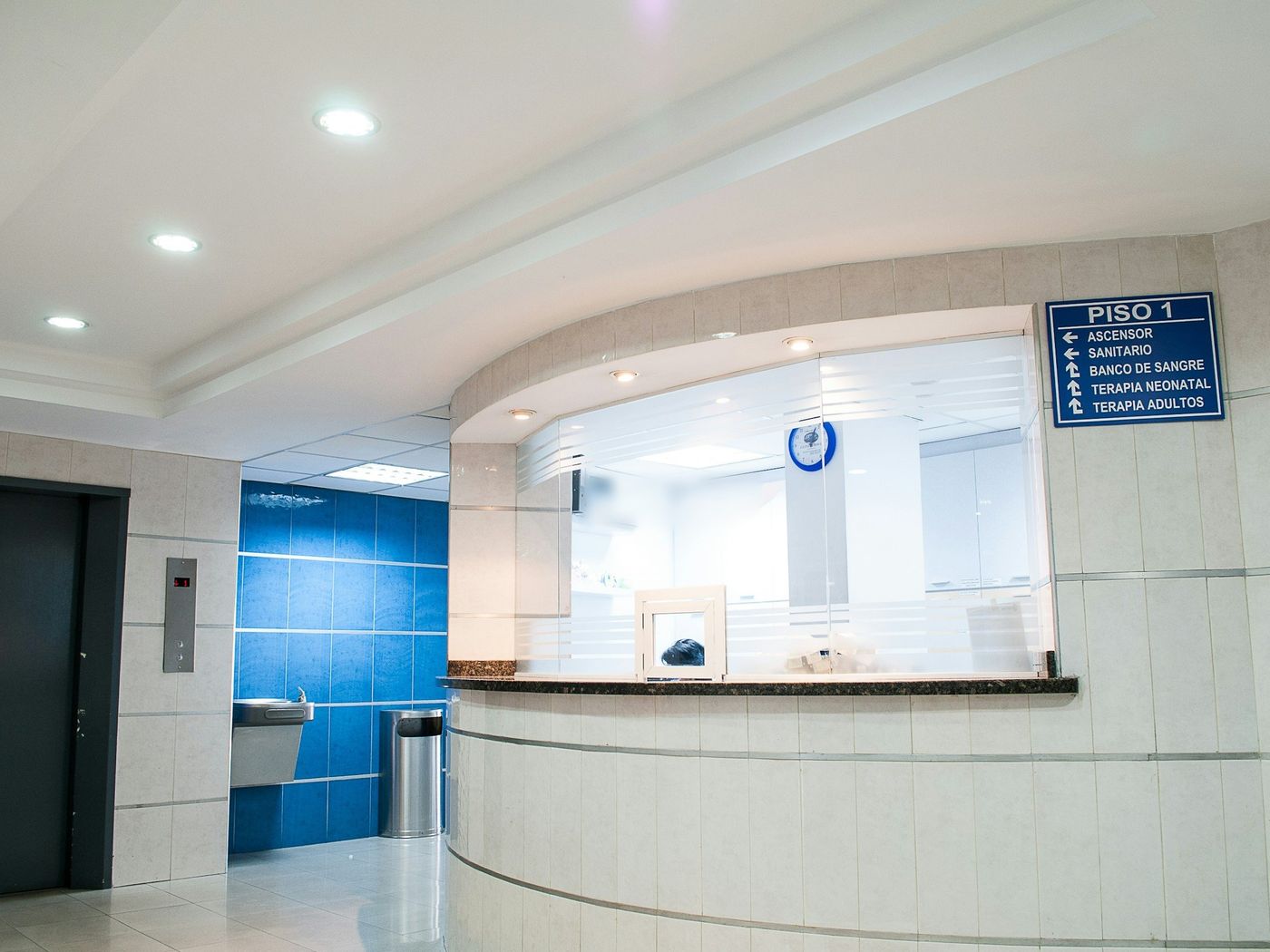
Retail dining, not clinical nutrition
Food service in a hospital has two sides, and a licensed brand belongs on only one of them. Patient meals are the clinical side: diet orders, texture-modified and allergy-restricted trays, and delivery to the bedside, all planned by the clinical nutrition team and its dietitians. Retail dining covers the rest: the cafeteria, the lobby café, coffee counters, grab-and-go coolers and micro-markets that staff, visitors and outpatients use and pay for themselves.
Our brands are offered for that retail side. In many hospitals one food and nutrition services department runs both, sometimes from a single production kitchen. A brand can still work there, but its items will share space, equipment and people with patient tray production, so plan scheduling and allergen cross-contact as part of your food-safety program.
Who eats in a hospital, and when
A nurse on a night rotation, a family waiting through a surgery and an outpatient between appointments can all end up at the same counter, each on a different clock.
Night and weekend shifts
Nursing, respiratory, imaging, security, environmental services and emergency department teams keep working after the main cafeteria has closed or moved to a reduced line. Breaks on a unit can be short and are sometimes interrupted, so night staff often want something they can carry back to the floor. What they can get depends on what the hospital keeps open: one counter, a cooler restocked from the day kitchen, or a micro-market. A brand with a short core menu can be adapted to those hours, for instance as items made during the day and packaged under the brand’s artwork. Overnight staffing, opening hours and holding times are your operation’s decisions.
Visitors and families
Visitors arrive on no schedule of their own. Some stay overnight with a patient; others come in after work or sit through a long procedure. Many do not know the building and follow wayfinding signs to find somewhere to eat, which puts weight on a clear outlet name and menu boards that can be read from the corridor.
Outpatient centers and medical office buildings
Many health systems also run outpatient centers, ambulatory surgery centers and medical office buildings away from the main hospital. These buildings tend to keep weekday, daytime hours, and a café there is often small. That footprint may suit a short core menu, subject to the building’s lease terms. If you want a brand at the main hospital and at an outpatient site, list both when you first get in touch so both can be named in the license agreement.
Outlets that can carry hospital retail dining brands
Hospital outlets differ mostly in who staffs them: a cafeteria station usually has a crew at meal periods, a lobby café often has a smaller team, and a micro-market relies on self-checkout.
Cafeteria stations
A hospital cafeteria is often a group of stations around shared registers: a grill, a deli, an entrée line, a salad bar. One station can carry a licensed brand’s name and core menu while the others keep your house concepts. If staff pay with an ID badge or through payroll deduction, your team or your technology provider adds the brand’s items to that point-of-sale system, and eligibility and any employee pricing remain your decision. For a station that would carry one brand at lunch and another overnight, read about switching one counter between brands through the day.
Lobby cafés and grab-and-go
A lobby café near the main entrance sees visitors arriving, outpatients leaving and staff coming on or off shift. A brand can give that café its own identity, with the logo applied to the fascia, cups, menu boards and grab-and-go labels. Lobby signage in a hospital often has to sit within the health system’s own brand and wayfinding standards, so your facilities or marketing team may want to review sizes and placement alongside the brand’s style guide.
Micro-markets for off-hours
Self-checkout micro-markets let a hospital offer food on floors or in wings where a staffed counter is not practical overnight. Packaged items made in your kitchen can carry the brand’s artwork on their labels and shelf signs. Ingredient, allergen and date labeling for those items is handled under your own labeling program and the rules that apply locally.
Food safety and allergen information
Your food-safety plan, including any HACCP-based controls, covers the brand’s items in the same way it covers the rest of your menu. The license gives your team the brand’s core menu content. Your culinary staff and dietitians then decide how each item fits the plan, based on how your kitchen prepares it and the ingredients it uses. Allergen and nutrition information on menus, labels and ordering screens has to reflect the recipes and products your kitchen actually uses. Your team prepares and reviews that information, along with any calorie labeling rules that cover your outlets.
Health inspectors and accreditation surveyors may also look at retail outlets, and readiness for those visits stays with your food-service operation. If a question comes up about the brand itself, such as who owns the name on the sign, we can supply the registration records and license documentation.
Health-system dining programs
Hospital retail dining is organized in several ways, and the structure usually decides who signs the license. Whatever the structure, many health systems also set their own goals for how retail food is placed, labeled or promoted, and those goals apply to a licensed station as they do to any other.
Self-operated and contracted programs
Some hospitals run food service through their own food and nutrition services department. Others bring in a contract foodservice provider for patient meals, retail or both, and some lease a lobby café to a separate operator. In some buildings, a volunteer auxiliary runs a coffee cart or gift-shop café. The license is normally held by the business that operates the outlet in question. Locations, territory and any exclusivity are set out in each license agreement.
Where a hospital shares a campus with a university, the same contract provider may also run campus dining for students and faculty next door, and a brand can be discussed for both sets of outlets.
Supplier files, facilities review and timing
Health-system supply chain and legal teams often ask for documentation before a new name appears in a building, and we can send the registration records, along with the fact sheet, for that file. Physical work in an occupied hospital, such as new signage, counter changes or added equipment, may also need review by facilities and infection prevention teams. There is no set timeline for opening a brand: it depends on those reviews, signage production, menu and point-of-sale setup, adding the items to your food-safety plan, and training staff across day, night and weekend shifts. Once the agreement is signed, the brand kit goes to your team so that work can begin.
What the license includes
Every brand license comes with the same core materials. Here is how each one applies to hospitals and healthcare.
-
Federally registered trademarks
Every brand is registered with the U.S. Patent and Trademark Office. Registrations cover specific classes of services, such as restaurant services or food delivery, and we share the record for any brand you are considering for a health-system supplier file.
-
Logo files and color references
Vector logo files and color references, including Pantone values, for cafeteria station signage, lobby café fascias, coffee cups and grab-and-go labels.
-
Core menu and food photography
A short core menu for each brand, with food photography your team can use on cafeteria menu boards, lobby screens and any mobile-ordering app your retail dining program runs.
-
Brand style guide (PDF)
Defines how the logo, colors, typography, photography and brand voice appear on cafeteria stations, café signage, micro-market shelves and digital menu boards.
-
Brand fact sheet (3 pages)
A three-page overview of the brand’s positioning, core menu and intended guest profile, for presenting the concept to hospital dining leadership or a contracted foodservice provider.
-
Direct licensing contact
One licensing contact who can answer questions and provide copies of the registration records for a health-system supplier file or a proposal to hospital administration.
FlexFranchise™
Several brands, one location
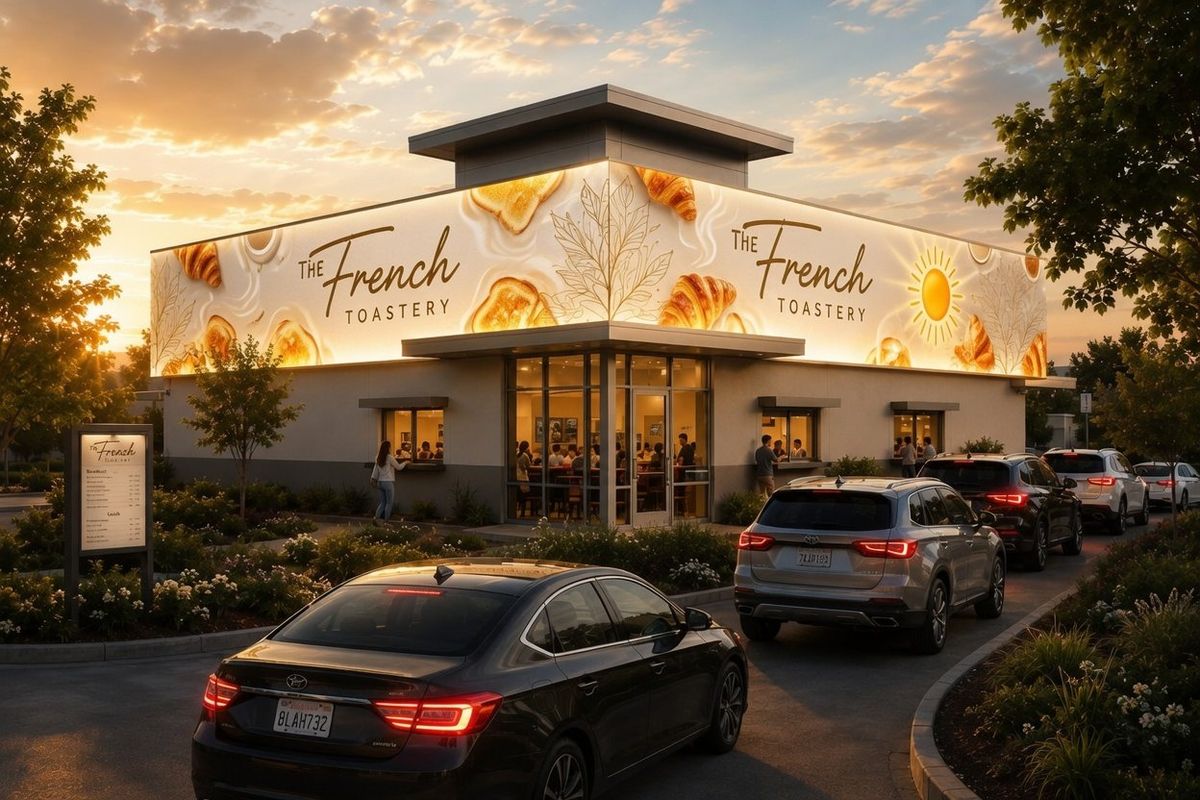
FlexFranchise is a multi-concept licensing program: one foodservice location presents different licensed brands at different times of day, using digital signage and menu content that changes by daypart.
Image: concept rendering. Not an actual location.
How FlexFranchise worksHow licensing works
Four steps from first conversation to a brand on your menu board. Timing depends on your venue’s own approvals, signage and menu setup.
-
Tell us about your venue
Share your venue type, the formats you run and the kinds of food you are considering. We’ll suggest brands that fit your kitchen and service style.
-
Review brands and registrations
We share brand overviews, core menus and the USPTO registration record for each brand you are considering, so your team can evaluate them.
-
Sign a license agreement
A written license agreement sets out the brands, the locations covered, the term, and any territory or exclusivity.
-
Receive the brand kit
After signing, you receive logo files, color references, the style guide, core menu content and photography. Your team produces signage and menus from the kit.
Frequently asked questions
Who owns the brand names and logos?
Restaurant Licensing Group, LLC owns the trademarks and brand assets. Your license agreement grants the right to use them at the locations it covers. Territory and any exclusivity are set out in that agreement.
Do we need to build a new kitchen?
Not necessarily. The core menus are designed around equipment common in concession kitchens, such as fryers, griddles and flat-tops. Whether your space needs changes depends on your equipment, layout and local codes, so we review fit with you before you license a brand. If several brands share equipment, plan for allergen cross-contact within your own food-safety program.
Can a licensed brand be used for patient meals?
No. The brands are offered for retail dining, meaning the cafeterias, cafés, grab-and-go cases and micro-markets that staff, visitors and outpatients buy from. Patient meals follow diet orders set by your clinical teams, and tray menus and bedside ordering stay with your clinical nutrition staff.
Can a brand run overnight with a small team?
It can, if your overnight setup allows for it. Each brand is built around a short core menu, so a night crew has fewer items to learn, although what a small team can prepare depends on your equipment and staffing. The choice of outlet, the night staffing and food holding times are decided within your own operation and food-safety program.
How do the brand’s menu items fit our food-safety program?
Like any other item on your menu. Your team writes the brand’s items into your existing plan based on how your kitchen prepares them; the plan, allergen and nutrition disclosures and accreditation readiness stay with your food-service operation. On request we can provide trademark and license documentation for your files.
Can a brand open in a medical office building café?
It can, provided your license agreement lists that café as a location. Whether its counter can produce the menu comes down to the equipment and ventilation it has. If a tenant rather than the hospital runs the café, the tenant would be the business to sign the license for that location.
Can the staff cafeteria and the visitor café carry the same brand?
Yes, if both outlets are named in your license agreement. In a staff-only dining room and a public lobby café alike, the logo, color palette and photography follow one style guide, while hours, staffing and pricing at each outlet stay with your team.
Talk to us about hospital and healthcare brands
Tell us about your venue and the formats you run. A member of our licensing team will follow up by email or phone to learn more and share registration details for the brands you are interested in.