University and campus dining brands
Restaurant Licensing Group licenses federally registered food and beverage brands for university and college dining programs. Our university dining brands give a food-hall station, residence-hall market or late-night window its own name, a short core menu, a style guide and food photography.
- Student union food halls
- Residence-hall markets
- Late-night windows
- Athletics concessions
- Mobile order and pickup
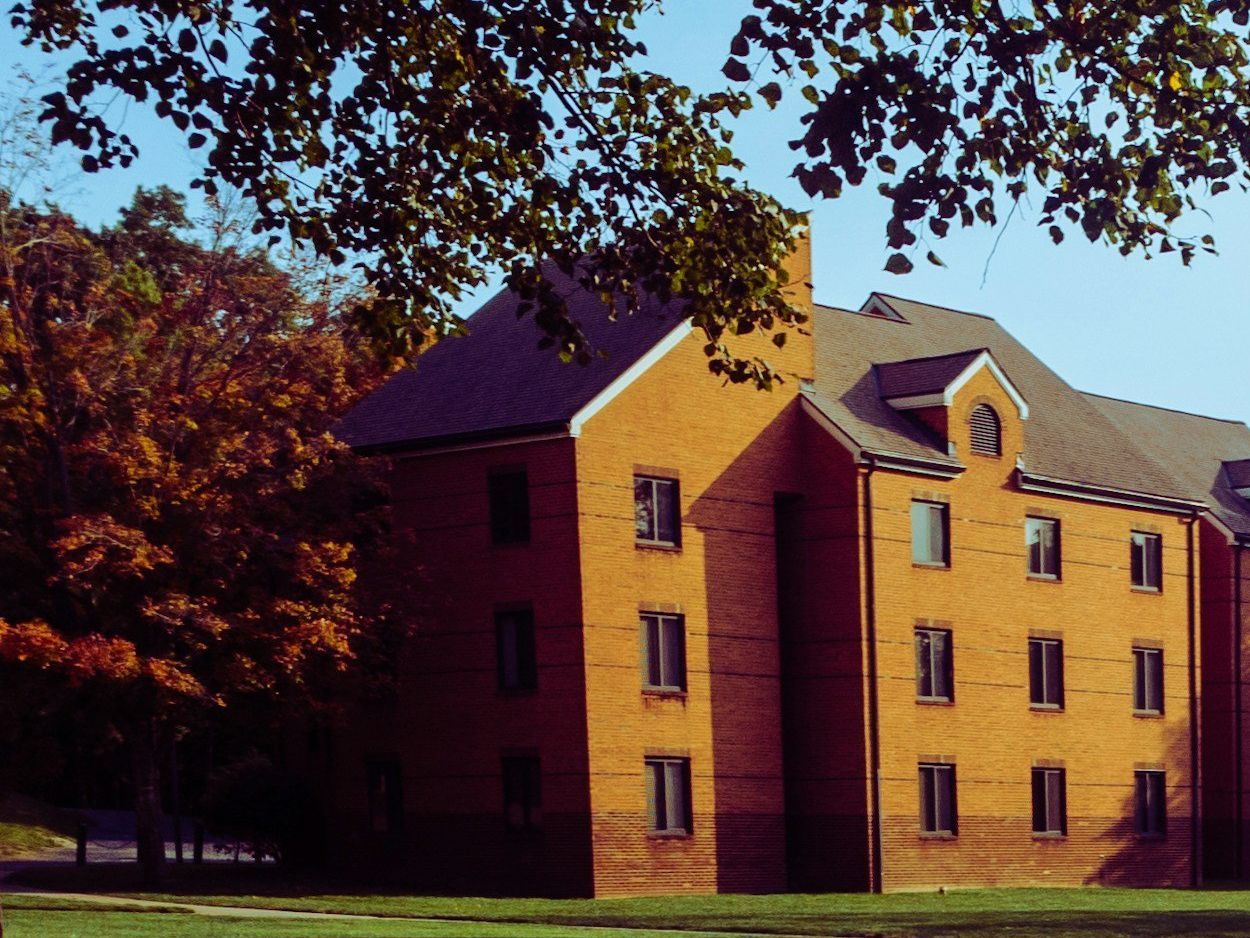
Where university dining brands fit on campus
On many campuses, dining splits into residential dining halls, usually tied to meal plans, and retail dining. The retail side covers union counters, residence-hall markets, library cafés and athletics concessions, where students pay for each purchase. A licensed brand fits most naturally there, because each retail counter already needs its own name, menu board and food photography. Whether an outlet can carry one depends on its space, its equipment and what your license agreement covers. Retail outlets in one building can keep different hours and be run by different teams, so it helps to confirm who operates each outlet before choosing a brand for it.
Student union food halls
Student union food halls are often laid out as a line of stations, each with its own name and menu board. A licensed brand provides one station’s name and logo for the fascia, a short core menu for the board and food photography for each item. Dining teams reviewing their campus food concepts between academic years can consider a licensed brand’s name, core menu and artwork as one option, alongside designing a new station identity in-house. Your team produces the station’s fascia and menu board, and the style guide shows where the logo, colors and photography go.
Residence-hall markets and convenience stores
These markets usually pair packaged snacks and drinks with a small made-to-order or grab-and-go counter. A licensed brand can give that counter a name and a menu board, and your team can apply the logo files to shelf signage and grab-and-go labels. Space behind the counter is often tight, and each building has its own equipment, ventilation and storage limits, so a brand that suits one hall may not suit the next. That is worth reviewing outlet by outlet before a brand is licensed for a residence hall.
Athletics venues
Campus stadiums, arenas and ballparks run on event days with concourse stands and portables, and their food service is sometimes handled by a different operator from the rest of campus dining. The formats work much as they do at professional venues, and our page on stadium and arena concessions covers them in more detail.
Libraries and late-night spots
Library cafés and late-night outlets near the residence halls often stay open after the main dining rooms close. A brand with a short menu can run as an evening window from a kitchen that serves another concept earlier in the day. Your license agreement needs to cover that location, and your team should plan for allergen cross-contact within its own food-safety program.
How students pay and order
Payment and ordering on campus run through systems your dining program already owns, and your team decides how a licensed brand’s items are set up in them.
Meal plans, dining dollars and campus cards
Students typically pay with meal swipes, declining-balance dining dollars, campus card funds or ordinary bank cards. A licensed brand is rung up on your existing point-of-sale (POS) system like any other outlet. Your program’s rules decide whether a meal swipe can be used at its counter and what each item costs. Adding the items and payment options to the register is work for your own team or POS provider.
Mobile ordering, pickup lockers and campus delivery
Many campuses run a mobile-ordering app linked to the campus card, with pickup at the counter or from lockers, and some deliver to residence halls. The app’s menu can carry the brand’s logo, menu copy and food photography, set up by your team under the style guide, so the listing in the app matches the counter. Third-party delivery apps are a separate channel: each marketplace sets its own listing policies, and some campuses limit where outside couriers can go. If a campus kitchen has room to prepare orders for a brand with no counter of its own, see our page on delivery-only virtual brands.
Planning around the academic calendar
Campus dining follows the academic year rather than the calendar year, and any brand you license runs on that rhythm.
Term starts, exams and late nights
Each term brings new students and new class schedules. Midterms and finals push study hours later, and some libraries and late-night outlets adjust their hours to match, while breaks empty the residence halls. Many outlets are staffed partly by student employees whose availability follows class timetables and changes every term. How much prep and training a brand’s core menu involves depends on the brand, your equipment and how your team sets up the station. Hours, staffing, training and food-safety instruction remain your program’s decisions.
Summer camps and conferences
Between spring and fall, many campuses host sports camps, orientation sessions and conferences on schedules that look nothing like term time. Some outlets close for the summer while others open for those groups, and a licensed brand can follow either pattern at the locations your agreement covers.
Self-operated and contract dining programs
Who holds the license
Some universities run dining through their own department, many contract a foodservice provider for some or all outlets, and some student unions lease space to independent operators. Whoever operates the outlets, whether the university, its contract provider or a tenant, would be the party that signs. Locations, territory and any exclusivity are set out in each license agreement. If you run dining on several campuses, the agreement records which of them it covers.
Procurement and RFPs
Many institutions select dining partners and concepts through a formal request for proposals. If you are responding to one, or proposing a brand to your university as its contract provider, we can share the registration record, brand overview and core menu for each brand you are considering. Evaluation and award decisions rest with the university and its procurement office.
Student dining committees
Some campuses show new concepts to students first, through a dining committee, student government or a tasting your team organizes. The fact sheet and food photography give that group a clear picture of each brand’s positioning and core menu, and any tasting or survey is run by your program.
Dietary expectations on campus
Students, and often their families, ask detailed questions about allergens, vegetarian and plant-based choices, gluten and religious dietary practices. A licensed brand does not change who answers them. Allergen and ingredient information must reflect the products your kitchen buys and how your staff prepare them. It belongs in your program’s own menu disclosures, reviewed by your dietitian or food-safety lead. The same applies to any nutrition labeling your campus or local rules call for. If you want a variation on a brand’s core menu, for example to suit a dietary preference, talk to our licensing team before making changes. Check your license agreement for any terms on adapting the core menu.
What the license includes
Every brand license comes with the same core materials. Here is how each one applies to universities.
-
Federally registered trademarks
Every brand is registered with the U.S. Patent and Trademark Office. We share the registration record for any brand you are considering, for your dining services office, procurement team or vendor file.
-
Logo files and color references
Vector logo files and color references, including Pantone values, for food-hall station fascias, residence-hall market signage, cups and printed menus.
-
Core menu and food photography
A short core menu for each brand, with food photography your team can use on digital menu boards, campus dining web pages and any mobile-ordering app your program runs.
-
Brand style guide (PDF)
Defines how the logo, colors, typography, photography and brand voice appear on union food-hall signage, digital menu boards and online ordering menus.
-
Brand fact sheet (3 pages)
A three-page overview of the brand’s positioning, core menu and intended guest profile, for presenting the concept to dining services leadership or a student dining committee.
-
Direct licensing contact
One licensing contact who can answer questions and provide copies of the registration records for an RFP response, a proposal to your university or a vendor file.
FlexFranchise™
Several brands, one location
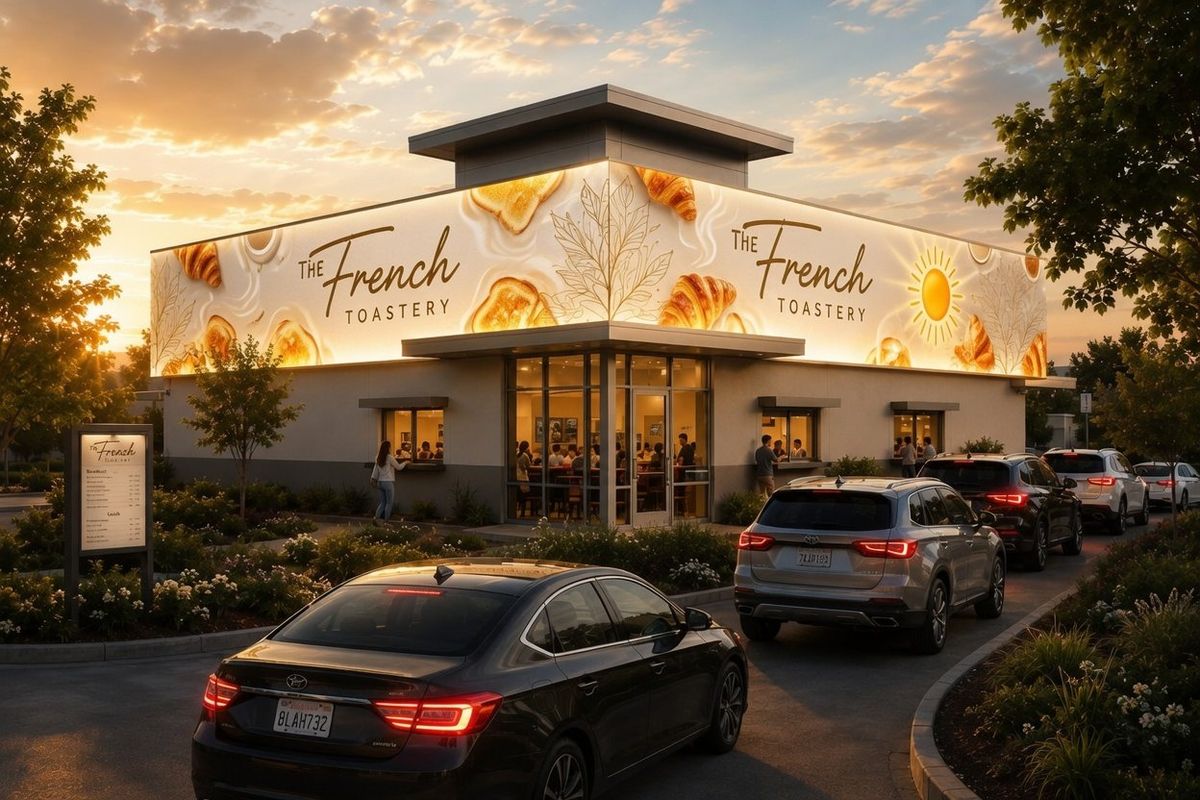
FlexFranchise is a multi-concept licensing program: one foodservice location presents different licensed brands at different times of day, using digital signage and menu content that changes by daypart.
Image: concept rendering. Not an actual location.
How FlexFranchise worksHow licensing works
Four steps from first conversation to a brand on your menu board. Timing depends on your venue’s own approvals, signage and menu setup.
-
Tell us about your venue
Share your venue type, the formats you run and the kinds of food you are considering. We’ll suggest brands that fit your kitchen and service style.
-
Review brands and registrations
We share brand overviews, core menus and the USPTO registration record for each brand you are considering, so your team can evaluate them.
-
Sign a license agreement
A written license agreement sets out the brands, the locations covered, the term, and any territory or exclusivity.
-
Receive the brand kit
After signing, you receive logo files, color references, the style guide, core menu content and photography. Your team produces signage and menus from the kit.
Frequently asked questions
Who owns the brand names and logos?
Restaurant Licensing Group, LLC owns the trademarks and brand assets. Your license agreement grants the right to use them at the locations it covers. Territory and any exclusivity are set out in that agreement.
Do we need to build a new kitchen?
Not necessarily. The core menus are designed around equipment common in concession kitchens, such as fryers, griddles and flat-tops. Whether your space needs changes depends on your equipment, layout and local codes, so we review fit with you before you license a brand. If several brands share equipment, plan for allergen cross-contact within your own food-safety program.
Can students pay for a licensed brand with meal-plan dollars?
That is set by your dining program rather than by the brand. Items are rung up on the point-of-sale and campus card systems you already run. Your program’s rules decide whether meal swipes, dining dollars or card funds can be used at the brand’s counter, and they also set pricing and meal-plan eligibility.
Can our contract dining provider hold the license?
It can. On many campuses the contract foodservice provider is the business actually running the outlets, and the license would be signed by that operating business. The license agreement names the licensee and the locations it covers.
Could a brand operate only as a late-night window?
It could. Hours are set by your dining program, so a brand can open only in the evening if that suits the outlet, provided the license agreement includes it. Where it shares a kitchen with a daytime concept, plan for allergen cross-contact within your own food-safety program.
Can a brand take one station in a student union food hall?
A single food-hall station is a natural format for a licensed brand, with its own name, menu board and counter identity next to the other concepts in the hall. Station size, equipment and utilities differ between buildings, so we go through the space with your team before a brand is licensed for it.
Can the brand be listed on delivery apps that serve our campus?
It can, subject to each delivery marketplace’s own policies and any campus rules on outside delivery. Your team creates and manages the listing, using the brand kit’s logo files, food photography and menu copy. Check whether your university or your dining contract restricts third-party delivery before you list a brand.
What happens to a licensed brand over the summer?
That depends on your summer schedule. A brand can close with its outlet between terms or stay open for camps, orientation and conference guests at the locations your agreement covers. If you plan to move a brand to a different building for the summer, check first that the agreement lists that location.
Talk to us about university and campus brands
Tell us about your venue and the formats you run. A member of our licensing team will follow up by email or phone to learn more and share registration details for the brands you are interested in.