Military installation dining and concession brands
Restaurant Licensing Group licenses federally registered food and beverage brands for military installation dining, including exchange food courts, MWR venues and grab-and-go counters. An operator on base receives logo files, a style guide and a short core menu with food photography, plus trademark records for its vendor file.
- Exchange food courts
- MWR bowling and golf venues
- Installation clubs
- Grab-and-go counters
- Mobile-order pickup
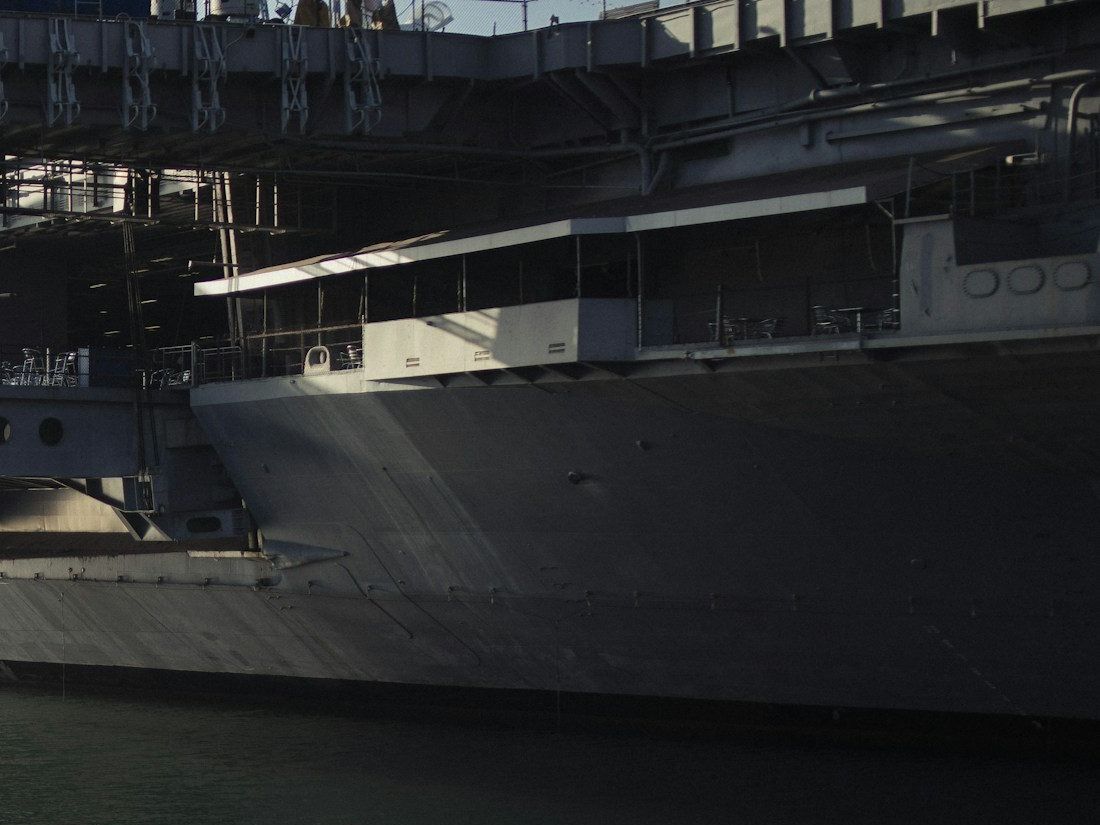
How military installation dining is organized
Many larger installations work like small towns, with housing, schools, shops and gyms inside the gate. Retail food there is usually organized through the installation’s exchange and its morale, welfare and recreation (MWR) program, while the dining facilities that feed many service members sit outside both. We describe these programs only as venue types; nothing on this page implies an affiliation with, or endorsement by, any exchange, MWR program or military service.
Exchange food courts
Exchange food courts usually sit in or beside the main exchange store, with a handful of counters sharing one seating area. Counters may be run by the exchange itself or by outside concessionaires under contract. Installations of different service branches can have different exchange systems, each with its own process for adding a concept. A licensed brand gives a counter a name, a short core menu, logo files and food photography, applied within the food court’s own signage rules and the brand’s style guide.
MWR venues: bowling centers, golf courses and clubs
MWR facilities often include food service: snack bars in bowling centers, grills at golf clubhouses, clubs that host unit functions, and counters at pools or recreation centers. Kitchens tend to be compact, and staffing shifts with the season and the event calendar. A licensed brand can give a snack bar or grill its own name, logo and short core menu, or sit beside a club’s catering menu as one more choice. The MWR program decides which concepts its facilities carry.
Dining facilities run under separate programs
The phrase “mess hall” usually means a dining facility, sometimes called a DFAC or a galley, which is a different operation from a food court. Dining facilities provide daily meals to service members and are generally run by each military service, directly or through contractors, under food-service programs of their own rather than as exchange or MWR concessions.
How a concept gets onto an installation
A food concept usually reaches a food court or MWR venue through a procurement process run by the exchange, the MWR program or the installation’s contracting office. Where an outside operator runs the outlet, that operator bids for and signs the concession contract. We license the brand to the operator and supply documentation for its submission.
Who signs the license agreement
Our license agreement is signed by the business that will staff and run the outlet, such as a concessionaire holding a food-court contract. Where a program runs a counter itself, the arrangement may differ, and we talk it through first. Locations, territory and any exclusivity are set out in each license agreement.
What goes into a bid package
Bid packages and vendor files often ask who owns a proposed concept and whether the bidder may use it. For each brand you propose, we can provide the registration record, fact sheet, logo files and menu content, and license documentation once an agreement is in place. Whether a concept is accepted, and on what terms, is decided by the program running the solicitation and the installation’s procurement authority. Our documents support your submission; they do not replace that review.
Operating realities on an installation
Food service on base works around gate security, a military daily schedule and customers who often eat away from the counter where they ordered.
Installation access and deliveries
Everything that reaches an outlet on base comes through a gate. Each installation sets its own rules for vehicles and visitors, so suppliers, drivers and new hires without installation credentials may need passes before they start. Access can tighten during exercises or periods of heightened security, which can delay deliveries or send them to another gate. A short core menu can keep the ingredient list manageable for the distributors already delivering to your outlet.
Early PT, shift work and overnight duty
An installation’s day often starts before sunrise. Many units hold physical training (PT) early in the morning, and people look for coffee and breakfast afterwards. Security, medical, flight-line and maintenance crews may work rotating or overnight shifts, and weekends and training holidays can look very different from a duty day. A short core menu can mean fewer prep steps to hand over at a shift change, and your team sets hours within its contract.
Grab-and-go and mobile ordering
Food bought on base is often eaten somewhere else: at a work center, a training area, a barracks room or a home in on-base housing. Grab-and-go cases at food-court counters and MWR snack bars can hold items your kitchen prepares and packs from the brand’s core menu, with labels your team produces from the logo files under the style guide. For outlets that take orders by app or kiosk, your team can build the brand’s items in that system using the kit’s menu text and food photos. Packaging, labeling, holding times and allergen information stay with your food-safety plan and procedures.
Planning for a changing population on base
Unit deployments, field exercises, holiday leave periods and reassignment moves can empty parts of a base for weeks and then fill them again.
Quiet stretches and returning units
An outlet may need shorter hours or a reduced menu during a quiet stretch, then a fuller schedule when units return. A reduced menu might mean offering fewer items from the core menu, for example a few items your kitchen packs for a grab-and-go case, within the style guide and the terms of your license agreement. When and how to adjust is your decision under your concession contract.
Crews that change often
Staff at installation outlets can include military spouses, retirees and nearby civilians, so crews may change when families are reassigned to another base. New hires can refer to the brand’s core menu and food photos, and the style guide shows how the logo, colors and photography appear on signage and menus. Recruiting, training and scheduling are handled by your team.
Licensing across more than one installation
Concessionaires on military bases may hold contracts at several installations, sometimes across service branches. Each installation runs its own procurement, so a brand accepted at one base is not automatically accepted at another. One license agreement can list outlets at several installations; an installation it does not name stays outside the license until an amendment adds it.
Operators that work behind a gate may also run food service in other controlled-access settings. Credentials, screened deliveries and early starts shape airport concession units too, and overnight staff dining raises similar planning questions in hospital retail dining. If you run sites like these, the same brands can be discussed for them.
What the license includes
Every brand license comes with the same core materials. Here is how each one applies to military installations.
-
Federally registered trademarks
Every brand is registered with the U.S. Patent and Trademark Office. Each registration covers specific classes of services, such as restaurant services or food delivery, and we share the record for any brand you are considering for a bid or vendor file.
-
Logo files and color references
Vector logo files and color references, including Pantone values, for food-court fascias, snack-bar menu boards, grab-and-go labels and printed signage on an installation.
-
Core menu and food photography
A short core menu for each brand, with food photography for food-court menu boards, clubhouse and snack-bar menus, and any mobile-ordering tool your outlet already runs.
-
Brand style guide (PDF)
Defines how the logo, colors, typography, photography and brand voice appear on food-court signage, digital menu boards, packaging labels and MWR venue menus.
-
Brand fact sheet (3 pages)
A three-page overview of the brand’s positioning, core menu and intended guest profile, for presenting the concept to an exchange or MWR food program team.
-
Direct licensing contact
One licensing contact who can answer questions and provide copies of the registration records for a bid package, a concession proposal or an installation vendor file.
How licensing works
Four steps from first conversation to a brand on your menu board. Timing depends on your venue’s own approvals, signage and menu setup.
-
Tell us about your venue
Share your venue type, the formats you run and the kinds of food you are considering. We’ll suggest brands that fit your kitchen and service style.
-
Review brands and registrations
We share brand overviews, core menus and the USPTO registration record for each brand you are considering, so your team can evaluate them.
-
Sign a license agreement
A written license agreement sets out the brands, the locations covered, the term, and any territory or exclusivity.
-
Receive the brand kit
After signing, you receive logo files, color references, the style guide, core menu content and photography. Your team produces signage and menus from the kit.
Frequently asked questions
Who owns the brand names and logos?
Restaurant Licensing Group, LLC owns the trademarks and brand assets. Your license agreement grants the right to use them at the locations it covers. Territory and any exclusivity are set out in that agreement.
Do we need to build a new kitchen?
Not necessarily. The core menus are designed around equipment common in concession kitchens, such as fryers, griddles and flat-tops. Whether your space needs changes depends on your equipment, layout and local codes, so we review fit with you before you license a brand. If several brands share equipment, plan for allergen cross-contact within your own food-safety program.
How does procurement work on an installation?
Exchange and MWR food programs run their own vendor and procurement processes. We can provide trademark documentation and brand materials for a submission; approval decisions rest with the installation and its procurement authority. If a concessionaire is bidding, the solicitation sets out what its proposal must include.
How are dining facilities (DFACs) different from these outlets?
They run under separate programs. Dining facilities, where many service members take their daily meals, are generally run by the military services or their contractors under separate programs with their own menus, suppliers and contracts. Any role for an outside brand there would be for that program to decide. This page covers retail outlets where guests pay for their own food.
Can a brand run in an MWR bowling center or golf clubhouse?
It can, if the MWR program accepts the concept for that facility and the bowling center or clubhouse is listed in your license agreement. Bowling-center snack bars and clubhouse grills often have small kitchens, so a short core menu may be easier to fit, depending on the equipment on hand. The MWR program’s rules on outside concepts and signage apply.
Can a brand serve early-morning PT hours and overnight shifts?
It can, if your outlet opens at those times. You set opening hours within the terms of your contract with the installation. Some outlets open early for people finishing morning physical training, and some stay open late for night crews. What you serve at each hour depends on your staffing, equipment and own food-safety procedures.
How does installation access affect staff and suppliers?
Each installation sets its own access procedures for people and vehicles. Employees, suppliers and drivers without existing access may need to complete that process before working or delivering on base, and vehicles may be inspected at the gate. Arranging access and delivery schedules falls to your operation.
What decides when a licensed brand can open on base?
Mostly steps that others control, including any review of a new concept by the exchange or MWR program, changes to your concession contract, access for staff and suppliers, signage production, menu setup and training. Your team gets the brand files after the license agreement is signed and can start on signage and menus from there. The installation’s procurement authority sets its own review period.
Talk to us about military installation dining brands
Tell us about your venue and the formats you run. A member of our licensing team will follow up by email or phone to learn more and share registration details for the brands you are interested in.