Hotel and resort food and beverage brands
Restaurant Licensing Group licenses federally registered food and beverage brands for hotels and resorts. A licensed brand might front a lobby market, a pool bar or one section of the in-room dining menu, with its items prepared in the kitchen that already supplies the property’s other outlets.
- Lobby markets
- Pool and rooftop bars
- In-room dining menus
- Meeting breaks and banquets
- Delivery from the kitchen
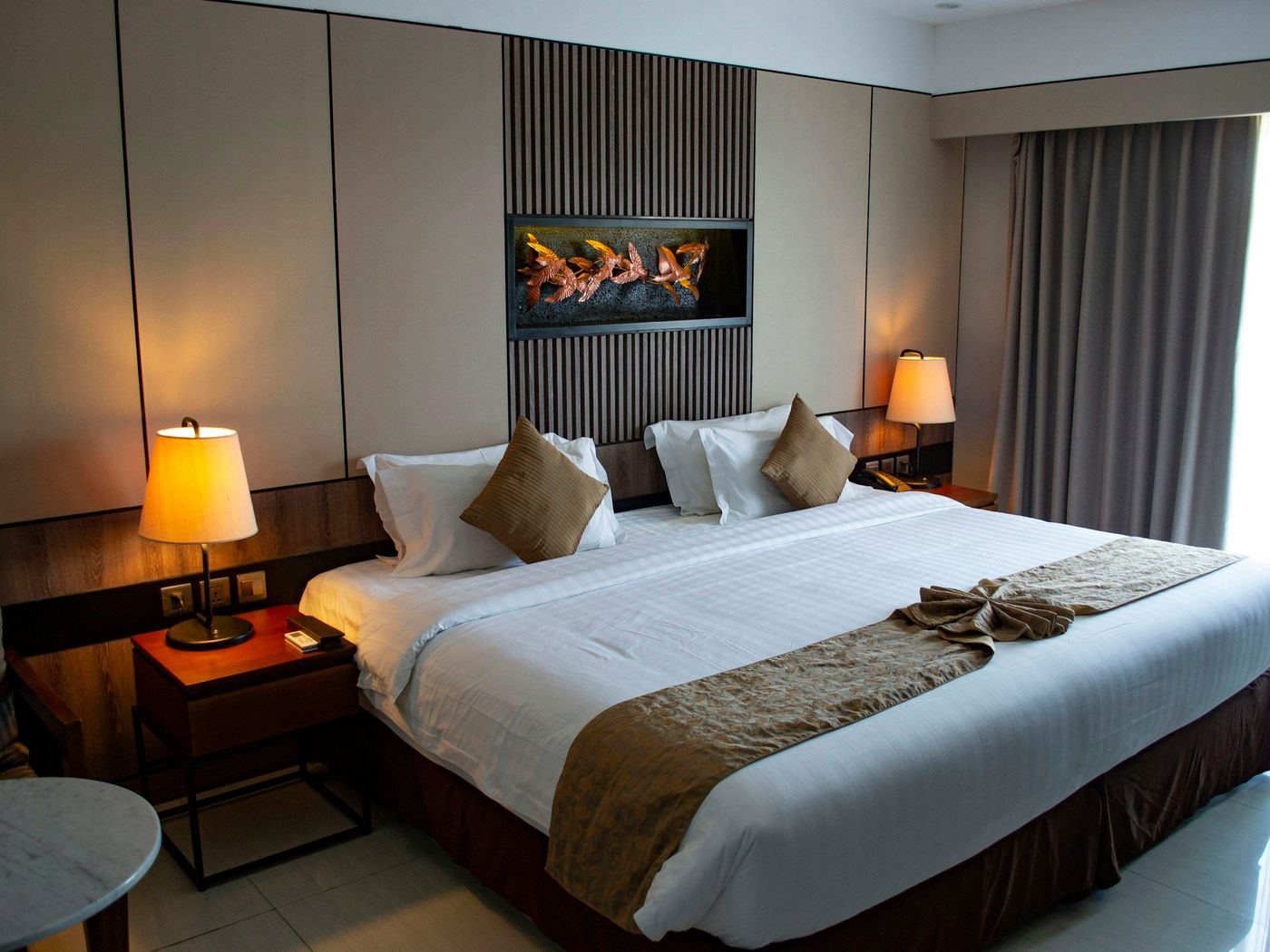
Hotel food and beverage brands, outlet by outlet
A full-service hotel may run a restaurant, a bar, a lobby market, in-room dining, a pool bar and a banquet department, often from one or two kitchens and each on its own schedule. When you evaluate a licensed brand, start with the outlet rather than the brand: what the space serves, when it is open, who staffs it and which kitchen supplies it. On this page, “hotel brand” means the brand your property operates under, and “licensed brand” means a food and beverage brand you license from us.
Lobby market and grab-and-go
Lobby markets and pantries sell packaged snacks, drinks and prepared items, and many stay open whenever the front desk is staffed. At select-service and extended-stay properties, the market may be the main place guests buy food. A licensed brand can be applied to the prepared-food case, with labels and shelf signage your team produces from the brand kit’s artwork. Your kitchen prepares, packs and labels the items, and ingredient and allergen labels must reflect the recipes it actually uses.
Pool, beach and rooftop bars
Outdoor bars often work from a compact station with little cooking equipment, relying on the main kitchen for anything beyond simple assembly. Whether a brand’s core menu works there depends on the station’s equipment, its power and water supply, how food travels to it and local health-code rules for outdoor service. Alcohol service stays under your property’s licenses and policies. Brand artwork can be used on poolside menu cards and bar signage within the style guide.
In-room dining menus and QR ordering
Hotels offer in-room dining in different ways: a printed menu on the desk, a page on the in-room TV, a QR code that opens a web menu, or a phone extension for orders. A licensed brand can take one section of that menu, or all of it, presented under the style guide. Your team loads the items into the menu or ordering system it already runs and decides hours, presentation and pricing. When you review a brand, check how each core menu item holds up on the trip through corridors and elevators.
Meeting breaks and banquets
Banquet kitchens produce food for scheduled events: coffee breaks, working lunches, receptions and conference dinners. A licensed brand can appear as a named station at a reception or as a boxed-lunch option on a meeting menu. Banquet event orders, menus, portions and pricing stay with your catering team, and use of the brand in event materials follows the style guide.
One kitchen, several outlets
At many properties, a single main kitchen supplies the restaurant, room service, the market and banquets, and cooks move between stations as the day goes on. Any licensed brand joins that shared workflow rather than running as a separate operation.
Sharing prep, equipment and storage
A short core menu adds fewer items to a shared kitchen than a second full menu would, though how it fits depends on your equipment, layout and staffing. Where a licensed brand shares prep space, equipment or storage with other outlets, your team adds its items to the kitchen’s food-safety plan and its ordering, labeling and allergen procedures. Where outlets share fryers or cooking surfaces, that includes cross-contact controls. Consistency across outlets comes from your own build cards and training, so that a breakfast cook and a room-service cook plate the item the same way.
Overnight and early-morning staffing
Where in-room dining or the market stays open overnight, the shift may be covered by one cook, or by front-desk staff selling packaged items. Early breakfast shifts can be similarly lean. Items with few steps leave less for a small team to learn, and your managers decide which items stay available overnight and who prepares them.
Delivery from the hotel kitchen
A hotel kitchen can also prepare orders for delivery apps under a name that is separate from the hotel’s own restaurant. A licensed brand can serve as that delivery-only identity, with its logo, menu copy and photography dressing the storefront your team sets up. Each delivery marketplace sets its own policies on virtual and delivery-only brands, and your team manages its own listings, packaging, labeling and allergen information.
Decide early where couriers will collect orders, whether at a lobby pickup shelf, a side entrance or the loading dock, in line with your property’s security rules. Check too that your permits and your hotel brand’s standards allow delivery orders to leave the property. Much of the planning is the same as for any delivery-only virtual brand run from an existing kitchen.
Hotel brand standards and approvals
Several parties can have a say over a hotel outlet, including the hotel brand, the owner and the management company, so confirm which apply to your property before you choose a brand.
The hotel brand
A property that operates under a hotel brand follows that brand’s standards, which may cover outlet concepts, signage, menus and the use of third-party food brands. Ask your contacts at the hotel brand whether a licensed food brand needs approval. For that review, we can supply copies of the USPTO registrations and license paperwork on request; the decision rests with the hotel brand. Independent hotels have no hotel-brand review, though owner consent may still apply.
The owner and the management company
Depending on your management agreement and other contracts, the owner may need to sign off on outlet changes, new signage or equipment purchases before a licensed brand goes in. At a managed property, the management company usually runs food and beverage day to day and may hold the license itself, with the owner’s consent where your agreements call for it.
Resorts and seasonal properties
Resorts spread food and beverage across a larger footprint: pools, beaches, golf clubhouses, spas, marinas or ski lodges, some of them open only in season. Each outlet where a licensed brand appears needs to be named in the agreement, whether it is a year-round café or a beach kiosk that opens for the summer.
Seasonal outlets come with their own planning: staff who join for the season, equipment that is set up and stored each year, and weather that can close an outdoor station without notice. The same artwork and style guide can be reused each season for as long as your license agreement covers the outlet, while training and setup remain with your team.
At all-inclusive resorts, a licensed brand can operate as one of the included outlets, and how dining is packaged into a guest’s stay is your decision. Resorts with a gaming floor raise their own questions, covered on our page about casino food court and dining brands.
What the license includes
Every brand license comes with the same core materials. Here is how each one applies to hotels and resorts.
-
Federally registered trademarks
Every brand is registered with the U.S. Patent and Trademark Office, each for specific classes of services such as restaurant services or food delivery. We share the registration record for any brand your owner or hotel brand asks about.
-
Logo files and color references
Vector logo files and color references, including Pantone values, for applying the brand to lobby market signage, pool bar menus, in-room dining menus and grab-and-go labels.
-
Core menu and food photography
A short core menu for each brand, with food photography you can use on in-room dining menus, QR-code web menus, lobby screens and poolside menu cards.
-
Brand style guide (PDF)
Defines how the logo, colors, typography, photography and brand voice appear on outlet signage, printed and digital in-room dining menus and lobby screens.
-
Brand fact sheet (3 pages)
A three-page overview of the brand’s positioning, core menu and intended guest profile, for presenting the concept to your general manager, owner or management company.
-
Direct licensing contact
One licensing contact who can answer questions and provide copies of the registration records for an owner’s review, a hotel-brand standards request or a vendor file.
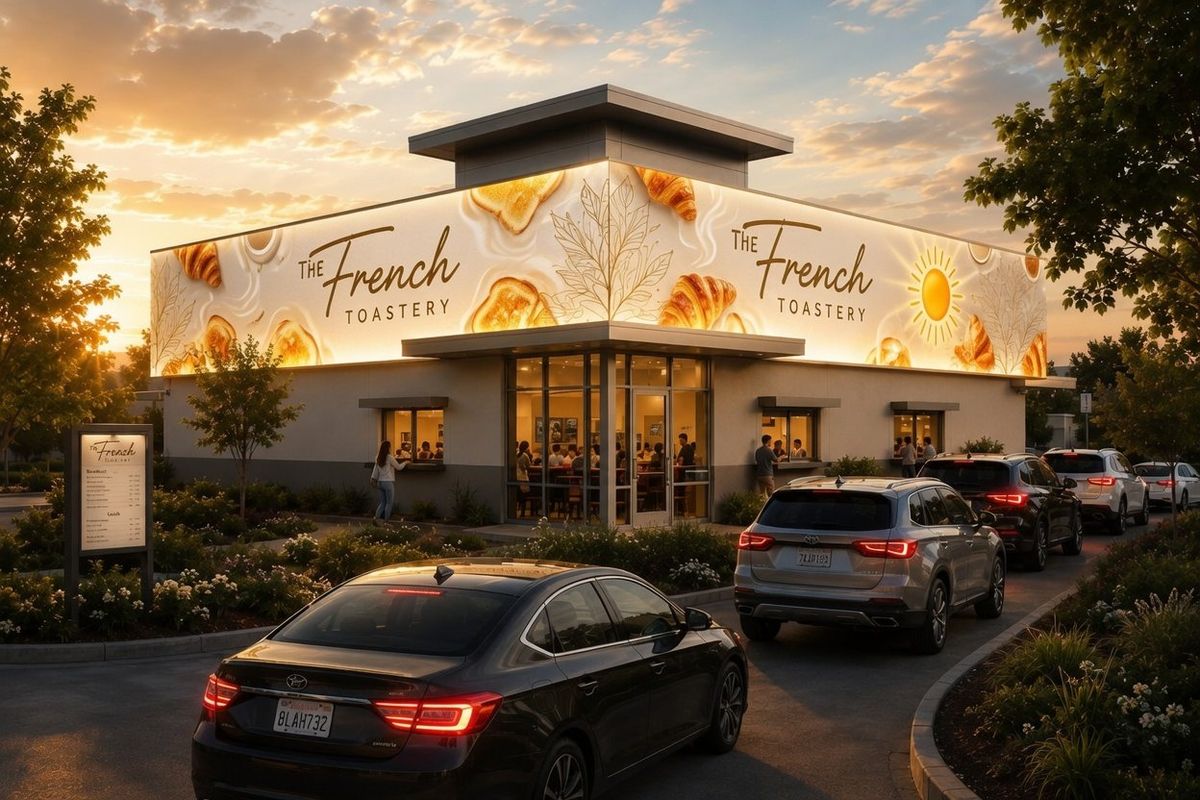
FlexFranchise™
Several brands, one location
FlexFranchise is a multi-concept licensing program: one foodservice location presents different licensed brands at different times of day, using digital signage and menu content that changes by daypart.
Image: concept rendering. Not an actual location.
How FlexFranchise worksHow licensing works
Four steps from first conversation to a brand on your menu board. Timing depends on your venue’s own approvals, signage and menu setup.
-
Tell us about your venue
Share your venue type, the formats you run and the kinds of food you are considering. We’ll suggest brands that fit your kitchen and service style.
-
Review brands and registrations
We share brand overviews, core menus and the USPTO registration record for each brand you are considering, so your team can evaluate them.
-
Sign a license agreement
A written license agreement sets out the brands, the locations covered, the term, and any territory or exclusivity.
-
Receive the brand kit
After signing, you receive logo files, color references, the style guide, core menu content and photography. Your team produces signage and menus from the kit.
Frequently asked questions
Who owns the brand names and logos?
Restaurant Licensing Group, LLC owns the trademarks and brand assets. Your license agreement grants the right to use them at the locations it covers. Territory and any exclusivity are set out in that agreement.
Do we need to build a new kitchen?
Not necessarily. The core menus are designed around equipment common in concession kitchens, such as fryers, griddles and flat-tops. Whether your space needs changes depends on your equipment, layout and local codes, so we review fit with you before you license a brand. If several brands share equipment, plan for allergen cross-contact within your own food-safety program.
Will a licensed brand conflict with our hotel brand’s standards?
It depends on the standards your property operates under. Some hotel brands set rules for outlet concepts, signage and third-party food brands, so ask your hotel brand whether approval is needed before you commit. If the hotel brand asks for evidence of the marks, we can send copies of the registrations and the relevant license documents. The decision belongs to the hotel brand, together with the owner where your agreements require it.
Can we use a brand only on the in-room dining menu, or only for delivery?
Both are uses we can discuss, provided your license agreement includes them. A brand can fill one section of an in-room dining menu or operate as a delivery-only name from the hotel kitchen. Your team sets room-service hours and staffing, and it manages any delivery-app listings under each platform’s own policies.
We run several hotels. Does each property need its own license?
Not necessarily. Hotels in one portfolio can be listed in a single license agreement, with the outlets at each property named, or licensed separately where owners or management agreements differ. Locations, territory and any exclusivity are set out in each license agreement. A hotel added later needs to be written into the agreement before the brand is used there.
Can a pool bar run the brand only during the summer season?
Seasonal opening is your call. The pool bar is listed in the license agreement like any other outlet, and its season, days and opening times are set by your team. Whether a short core menu suits the station depends on its equipment and on local rules for outdoor food service.
Which company should hold the license at a managed hotel?
It depends on who runs food and beverage day to day. At a managed property, that may be the management company acting for the owner, depending on your management agreement. Some owners hold the license themselves, and a leased outlet may be handled differently. We confirm the structure with you before drafting, and the signed agreement identifies both the licensee and each outlet it covers.
Talk to us about hotel and resort brands
Tell us about your venue and the formats you run. A member of our licensing team will follow up by email or phone to learn more and share registration details for the brands you are interested in.