Virtual restaurant brands for ghost kitchens and delivery
Restaurant Licensing Group licenses federally registered food and beverage brands for ghost kitchens, commissaries and restaurants that cook for delivery. A licensed brand can run as a virtual restaurant brand from your existing kitchen, with its own style guide, logo files, photography and short core menu for app storefronts.
- Delivery-app storefronts
- Shared ghost kitchen stations
- Commissary kitchens
- Add-on brands for restaurants
- Online-order pickup
Who adds virtual restaurant brands
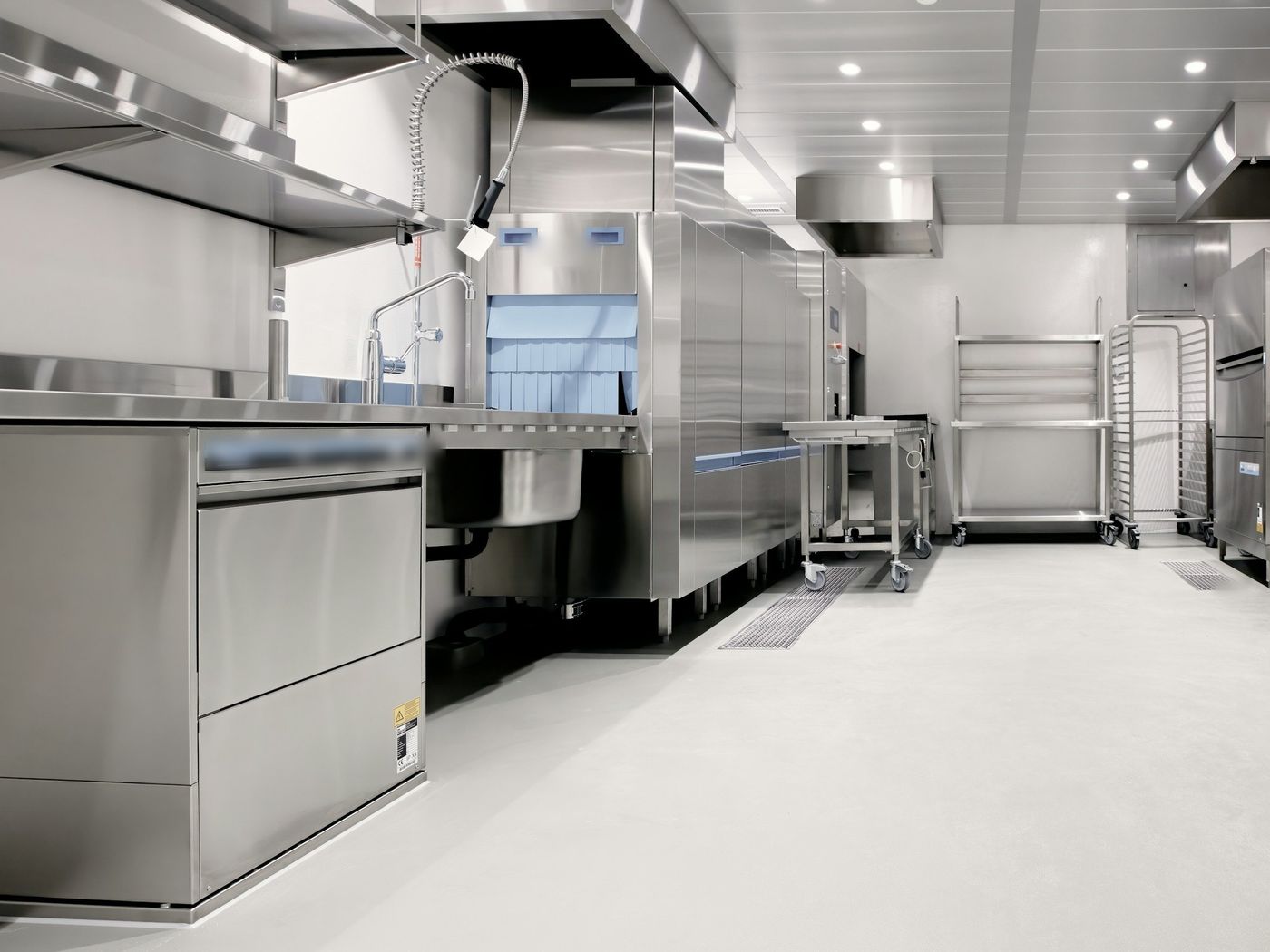
A virtual restaurant brand has a name, a menu and a storefront on delivery apps, but no dining room of its own. Its orders are cooked in a kitchen that already exists, often on the same line as another menu.
Restaurants adding a delivery-only brand
Some restaurant operators look at adding a virtual brand for hours when the line is not fully used. The brand runs under its own name and storefront, separate from the dining room and the restaurant’s own delivery listing, and whether it suits your kitchen depends on your equipment, staffing and prep. The question to ask is overlap: a brand whose core menu draws on ingredients you already stock and stations you already run is simpler to fold into daily prep, so map each core item against your prep list and equipment before choosing one.
Ghost kitchen and commissary operators
Some operators cook only for delivery and pickup, from a commissary of their own or a rented station in a shared delivery kitchen facility. In a shared facility, the landlord’s lease and house rules sit alongside your license agreement and may limit what you cook, where couriers collect orders and what signage goes up. If you rent stations in more than one facility, mention every one of them early on, so the agreement can name each.
Hotel, campus and workplace kitchens
Kitchens inside larger operations sometimes cook delivery orders for a brand distinct from the house restaurant. Hotel kitchens that already supply several outlets can add a delivery-only brand, as can campus dining kitchens or corporate café kitchens outside their main meal periods. Hotel-brand standards, campus rules on outside couriers and building security for pickups all need checking first.
Getting delivery orders ready to travel: packing, holding and venting
A delivery order is packed, left on a shelf, carried across town and opened some time later. How an item looks when the bag is opened depends largely on packing and holding choices your kitchen makes.
Venting, separation and sauces
Steam is the main enemy of fried and crisp items, because a sealed container traps moisture and softens coatings. Vented containers, sauces packed on the side and hot and cold components kept apart give an item a better chance of arriving the way it left the pass. Before a brand goes live, run a few trial orders in your chosen packaging over a typical delivery distance.
Holding on the pickup shelf
Orders often wait on a heated or ambient shelf until a courier arrives, and the kitchen does not control when that happens. Holding temperatures, maximum holding times and the point at which an order is remade are set by your food-safety program, not by the brand kit.
Branded packaging and labels
The logo files can be applied to bags, container stickers, tamper-evident seals and order labels, following the style guide. Sourcing packaging, and printing ingredient and allergen information that matches your actual recipes, fall to your team and your packaging supplier.
Storefront assets for delivery apps
On a delivery app there is no sign over a door. Customers meet the brand through its name, logo, cover image, item photos and menu descriptions, and the brand kit supplies the material for each of those: vector logo files, color references, food photography for the core menu and matching menu copy.
Building and managing the listing
Your team creates each storefront and runs it from then on: the merchant account, image crops for each marketplace’s specifications, item names, modifiers, prices, hours and marking items unavailable when they run out. Following the style guide for logo placement, colors and photo treatment lets listings on different apps match one another.
Your own ordering channels
The same logo, photography and menu copy can be used on your own ordering website or in an order-management tool connected to your POS. Your staff, or whoever supports those systems, handles the item setup.
Delivery marketplace rules for virtual brands
Delivery marketplaces each set their own merchant terms and their own rules for virtual brands, and those rules can change. Depending on the marketplace, they may address:
- how many brands can list from one kitchen address
- how different a virtual brand’s menu must be from other storefronts at that kitchen
- whether a listing must name the kitchen that prepares the food
- standards for item photos and descriptions
Following those policies is your responsibility as the operator, and each marketplace decides whether and how a brand is listed. Read the current terms for every app you plan to use before licensing a brand for it, since a cap on storefronts per address can shape which brands suit your kitchen. If a marketplace asks you to show your right to use a brand name, we can provide the trademark registration records and license documentation on request.
Cooking for several brands on one kitchen line
A single line may cook a restaurant’s own menu alongside one or more virtual brands. Your license agreement lists the brands and kitchens it covers, and marketplace limits apply as well.
Allergen cross-contact on shared equipment
When brands share fryers, oil, grills or prep surfaces, an allergen from one brand’s item can reach another’s. Build each brand’s allergen information from the recipes and equipment your kitchen actually uses, decide where separate equipment or extra cleaning is needed, and keep that plan inside your food-safety program.
Tickets and packing
Whether orders arrive on separate tablets or on one order-management screen, each ticket needs to show plainly which brand it belongs to, so the item is cooked to that brand’s menu and packed in that brand’s bag. Staffing and training for a multi-brand line are your decisions. If the kitchen also has a walk-up counter whose signage you would like to change by time of day, licensing several brands by daypart at one location is a separate arrangement.
Permits and disclosure
Rules for delivery-only kitchens vary by state, county and city. Food establishment permits are generally tied to a specific kitchen and the business operating it, and whether a new brand, menu or cooking process calls for a notice, a plan review or an updated permit depends on your jurisdiction. In a shared facility, ask the facility operator how permits are split between the building and each tenant.
Trading under a name other than your company’s legal name can involve an assumed-name or “doing business as” filing in some states and counties, so check with your adviser. What a listing says about the kitchen behind it is your decision, within each marketplace’s rules and any local requirements. Nutrition and allergen labeling rules for online menus also vary, so confirm with your adviser which requirements apply to each brand you list.
What the license includes
Every brand license comes with the same core materials. Here is how each one applies to ghost kitchens and virtual brands.
-
Federally registered trademarks
Every brand is registered with the U.S. Patent and Trademark Office, and each registration covers specific classes of services, such as food delivery or restaurant services. We share the record for any brand you are considering.
-
Logo files and color references
Vector logo files and color references, including Pantone values, for app storefront headers, delivery bags, container stickers and pickup-shelf signage.
-
Core menu and food photography
A short core menu for each brand, with food photography and menu copy your team can use to build item listings on delivery apps and your own online ordering page.
-
Brand style guide (PDF)
Defines how the logo, colors, typography, photography and brand voice appear on delivery-app storefronts, packaging labels and any signage at your pickup point.
-
Brand fact sheet (3 pages)
A three-page overview of the brand’s positioning, core menu and intended guest profile, for presenting the concept to your operations team, a kitchen facility operator or your culinary lead.
-
Direct licensing contact
One licensing contact who can answer questions and provide copies of the registration records if a delivery marketplace, kitchen landlord or partner asks who holds the marks.
FlexFranchise™
Several brands, one location
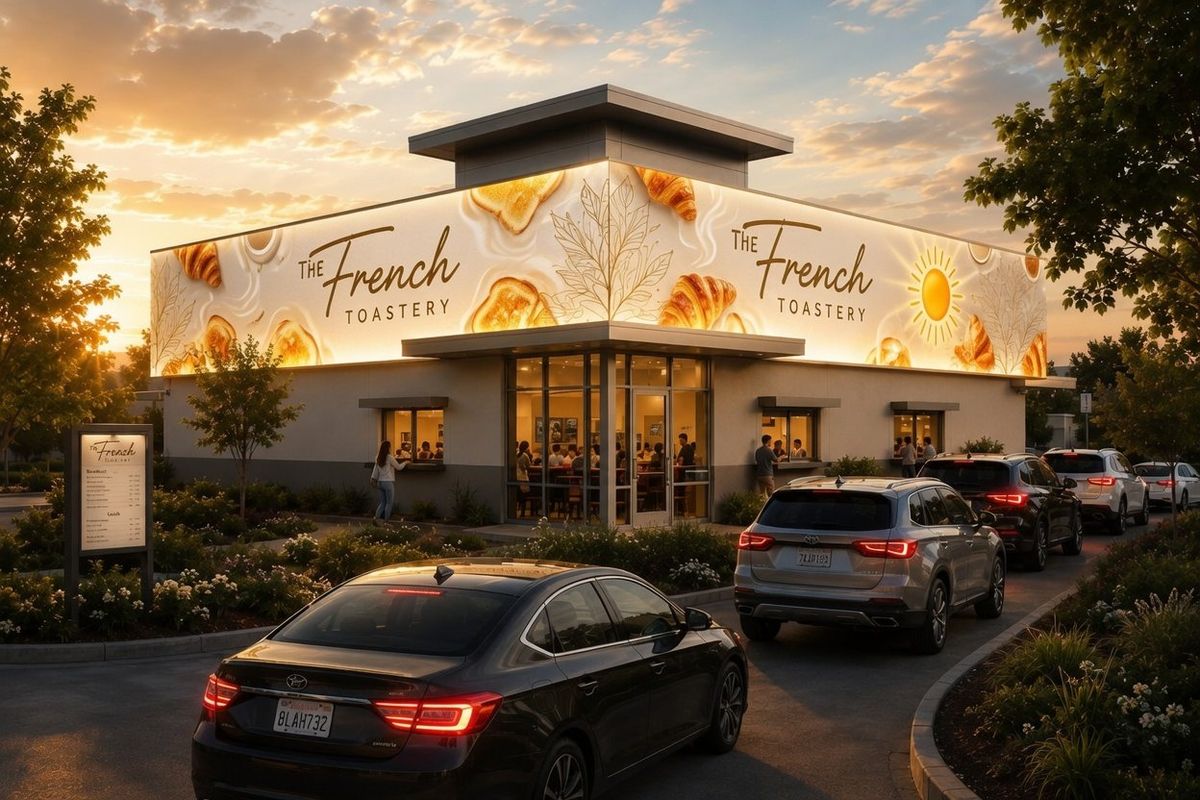
FlexFranchise is a multi-concept licensing program: one foodservice location presents different licensed brands at different times of day, using digital signage and menu content that changes by daypart.
Image: concept rendering. Not an actual location.
How FlexFranchise worksHow licensing works
Four steps from first conversation to a brand on your menu board. Timing depends on your venue’s own approvals, signage and menu setup.
-
Tell us about your venue
Share your venue type, the formats you run and the kinds of food you are considering. We’ll suggest brands that fit your kitchen and service style.
-
Review brands and registrations
We share brand overviews, core menus and the USPTO registration record for each brand you are considering, so your team can evaluate them.
-
Sign a license agreement
A written license agreement sets out the brands, the locations covered, the term, and any territory or exclusivity.
-
Receive the brand kit
After signing, you receive logo files, color references, the style guide, core menu content and photography. Your team produces signage and menus from the kit.
Frequently asked questions
Who owns the brand names and logos?
Restaurant Licensing Group, LLC owns the trademarks and brand assets. Your license agreement grants the right to use them at the locations it covers. Territory and any exclusivity are set out in that agreement.
Do we need to build a new kitchen?
Not necessarily. The core menus are designed around equipment common in concession kitchens, such as fryers, griddles and flat-tops. Whether your space needs changes depends on your equipment, layout and local codes, so we review fit with you before you license a brand. If several brands share equipment, plan for allergen cross-contact within your own food-safety program.
Can we run more than one virtual brand from the same kitchen?
That depends on two sets of limits. Your license agreement lists the brands and kitchens it covers, and each delivery app sets its own rules, which may limit how many brands list from one address or how distinct their menus must be.
Which delivery apps can a licensed brand be listed on?
That is settled between you and each marketplace. A license gives you the right to use the brand’s trademarks and materials under its terms, while merchant accounts and app listings are separate, and your team opens and manages them. Each delivery marketplace then decides under its own policies whether and how a virtual brand appears.
Do we need a separate health permit for a virtual brand?
Local rules decide that. Jurisdictions differ on whether a new brand name, menu or cooking process needs a notice, a plan review or a permit update, so check with your local health department before the brand is listed.
Can customers pick up orders as well as having them delivered?
Yes, if your kitchen has somewhere for customers to collect orders and that location is covered by your license agreement. Orders can come through a delivery app’s pickup option, where one is offered, or your own ordering page. Any pickup-point signage needs to fit both the style guide and your facility’s rules.
What listing assets come with a brand?
The pieces a storefront is built from, namely vector logo files and color references, food photography of the core menu items, menu copy and the style guide. Your team sizes and crops images to each marketplace’s specifications and enters the items, modifiers, prices and hours.
We rent stations in more than one facility. Can the brand run in all of them?
It can, provided each kitchen is named in your license agreement, whether that means stations in two shared facilities or a restaurant kitchen plus a commissary. Locations, territory and any exclusivity are set out in each license agreement, and a kitchen added later has to be written in before the brand is listed from it.
Talk to us about ghost kitchen and virtual brands
Tell us about your venue and the formats you run. A member of our licensing team will follow up by email or phone to learn more and share registration details for the brands you are interested in.